Onset is abrupt with high fever, chills, severe myalgia, headache, fatigue, dry cough, and sore throat.
Before you read
Test yourself first: 3 questions
Question 1 of 3
A child is due for the influenza vaccine. The parent reports the child had a severe anaphylactic reaction to a previous dose of the influenza vaccine. What is the nurse's best action?
Answer: B. A history of severe anaphylaxis to a previous dose of a specific vaccine is a true contraindication, so the nurse should withhold the influenza vaccine and notify the provider. A mild local reaction or soreness from a prior dose would not contraindicate future doses. Administering it anyway would be unsafe.
Question 2 of 3
A nurse is teaching parents about preventing epiglottitis in children. Which immunization is most directly protective?
Answer: B. Haemophilus influenzae type b (Hib) is the classic cause of acute epiglottitis. The Hib vaccine has dramatically reduced its incidence, so ensuring complete Hib immunization is the key preventive teaching.
Question 3 of 3
A client diagnosed with influenza is admitted during flu season. Which isolation precaution should the nurse anticipate?
Answer: B. Seasonal influenza is transmitted primarily by respiratory droplets, so droplet precautions (private room or cohorting and a surgical mask within 3 feet) are appropriate.
Keep the streak going with more questions like these, each with a full rationale.
What is influenza?
It causes abrupt onset of fever, body aches, and respiratory symptoms and can lead to serious complications, especially pneumonia, in the elderly, young children, pregnant patients, and the immunocompromised. Annual vaccination is the primary prevention. Droplet precautions are used for hospitalized patients.
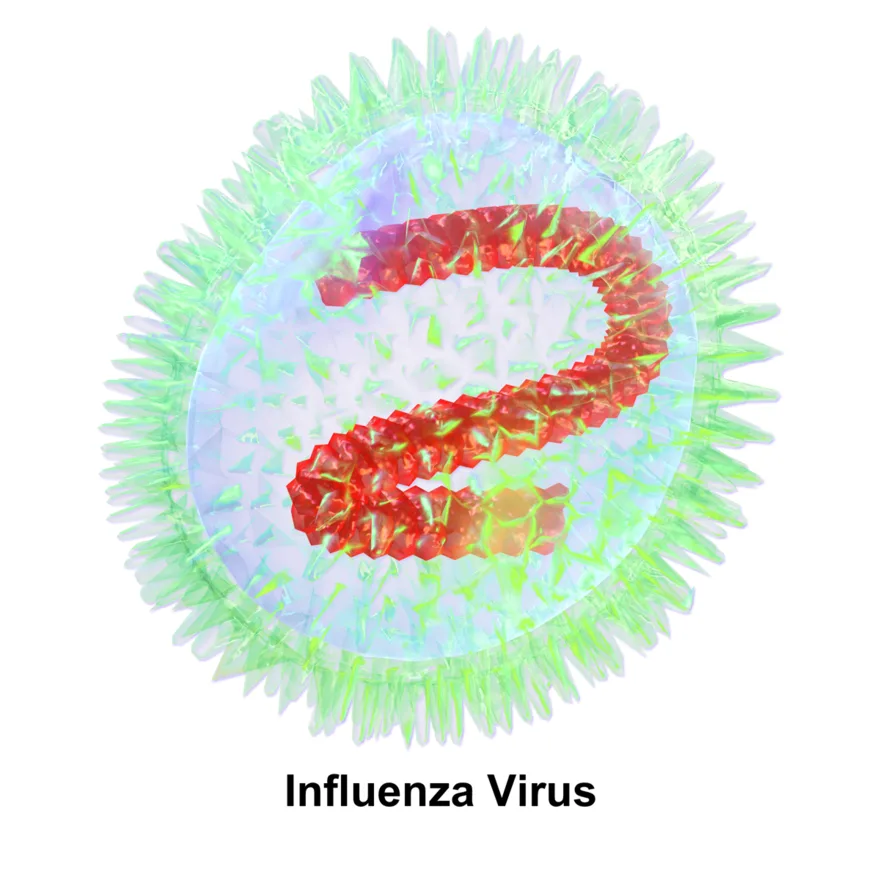
Influenza illustrated
Key points to remember
- Onset is abrupt with high fever, chills, severe myalgia, headache, fatigue, dry cough, and sore throat.
- Influenza is spread by respiratory droplets and requires droplet precautions in the hospital.
- The most common serious complication is pneumonia (viral or secondary bacterial), especially in high-risk groups.
- Antivirals (oseltamivir) are most effective when started within 48 hours of symptom onset.
- Annual inactivated flu vaccine is the main prevention and is recommended yearly because strains change.
- Distinguish flu (abrupt, high fever, prominent body aches) from a common cold (gradual, milder, no high fever).
Signs & symptoms
- Sudden fever, myalgia, headache
- Dry cough, fatigue, sore throat
Nursing priorities
- Place hospitalized patients on droplet precautions with a surgical mask and private room or cohort.
- Administer antiviral therapy as ordered, ideally within 48 hours of onset.
- Promote rest, fluids, antipyretics, and monitor respiratory status and oxygenation.
- Encourage and provide annual influenza vaccination to patients and staff.
- Monitor high-risk patients closely for signs of developing pneumonia.
Labs & values
Patient teaching
- Get the influenza vaccine every year; it is the best protection and cannot give you the flu.
- Cover coughs, wash hands often, and stay home until fever-free for 24 hours without fever reducers.
- Rest, drink fluids, and seek care for trouble breathing, chest pain, or symptoms that worsen after improving.
Red flags: report now
- Increasing dyspnea, chest pain, hypoxia, or productive purulent sputum may indicate pneumonia and needs prompt evaluation.
- In children, do not give aspirin (Reye syndrome risk); use acetaminophen instead.
- Persistent high fever, confusion, or severe dehydration warrants escalation.
- Worsening symptoms after initial improvement may signal a secondary bacterial infection.
References
Clinical references for this topic