After bariatric surgery: tachycardia, fever, and abdominal pain may indicate anastomotic leak — report immediately.
Before you read
Test yourself first: 3 questions
Question 1 of 3
A nurse is teaching an older adult about preventing skin breakdown at home. Which lifestyle measure should the nurse emphasize?
Answer: A. Maintaining adequate hydration and a balanced diet with sufficient protein, along with frequent position changes and daily skin inspection, helps preserve skin integrity and prevent breakdown. Aging skin is thinner and more fragile, so gentle skin care and moisture management are key.
Question 2 of 3
A nurse counsels a client on healthy weight management. The most sustainable approach is to:
Answer: B. Promote gradual, sustainable changes: balanced nutrition, portion control, regular physical activity, and behavior change — not extreme fad diets or skipping meals, which are not sustainable and can be harmful.
Question 3 of 3
A school nurse is teaching a child with asthma and the parents about managing exercise-induced asthma. Which instruction is appropriate?
Answer: A. For exercise-induced bronchospasm, using a short-acting beta-2 agonist such as albuterol 15 to 30 minutes before exercise helps prevent symptoms, and a warm-up period is encouraged. The child does not need to avoid all physical activity; with proper management, exercise is beneficial and should be supported.
Keep the streak going with more questions like these, each with a full rationale.
What is obesity management?
Management is stepwise: lifestyle change first, then pharmacotherapy, and bariatric surgery for severe cases. The goal is sustained, modest weight loss to reduce comorbidities.
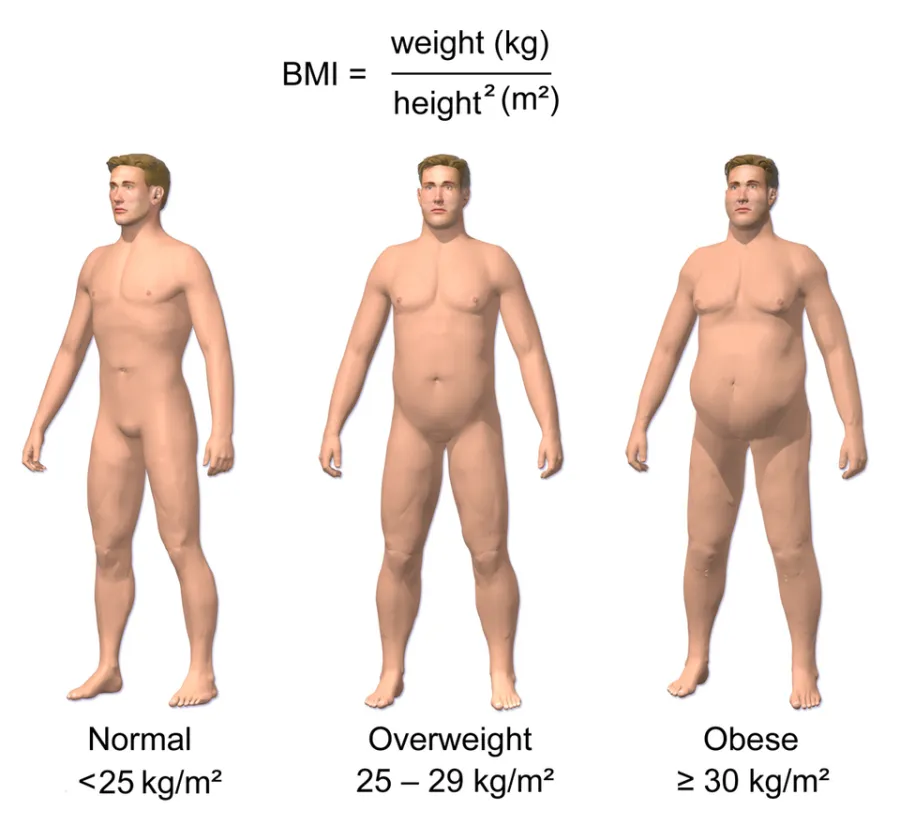
Obesity Management illustrated
Key points to remember
- BMI categories: overweight 25-29.9, obesity ≥30; waist circumference and comorbidities also guide risk.
- Lifestyle modification (calorie reduction, increased activity, behavior change) is the foundation of all treatment.
- Even 5-10% weight loss meaningfully improves blood pressure, glucose, and lipids.
- Pharmacotherapy options include GLP-1 receptor agonists (semaglutide, liraglutide), orlistat, and phentermine; GLP-1 agents also lower cardiovascular risk.
- Bariatric surgery (e.g., sleeve gastrectomy, Roux-en-Y gastric bypass) is considered for BMI ≥40, or ≥35 with comorbidities.
- After gastric bypass, patients need lifelong vitamin/mineral supplementation and must eat small frequent meals to avoid dumping syndrome.
Nursing priorities
- Calculate BMI, measure waist circumference, and screen for comorbidities (diabetes, hypertension, sleep apnea).
- Collaborate on realistic goals emphasizing gradual, sustained loss (about 1-2 lb/week) through diet and exercise.
- Provide nonjudgmental, supportive counseling and behavioral strategies (self-monitoring, portion control).
- Educate on prescribed weight-loss medications, their administration, and side effects.
- Provide pre- and post-bariatric surgery teaching including diet progression, supplementation, and dumping syndrome prevention.
Labs & values
Patient teaching
- Aim for gradual weight loss of 1-2 lb per week through sustainable diet and activity changes, not crash diets.
- After gastric bypass, eat small frequent meals, chew thoroughly, avoid concentrated sugars and drinking with meals to prevent dumping syndrome.
- Take lifelong prescribed vitamin and mineral supplements after bariatric surgery to prevent deficiencies.
- Administer once-weekly GLP-1 injections as taught and expect nausea early; report severe abdominal pain.
Red flags: report now
- After bariatric surgery: tachycardia, fever, and abdominal pain may indicate anastomotic leak — report immediately.
- Severe dumping syndrome (dizziness, sweating, palpitations, diarrhea after eating) needs dietary correction.
- Signs of GLP-1 agonist pancreatitis (severe persistent abdominal pain radiating to the back) — stop drug and report.
References
Clinical references for this topic