
Severe, boring epigastric pain radiating to the back is the hallmark, often worse after eating or lying flat and relieved by leaning forward.
Before you read
Test yourself first: 5 questions
Question 1 of 5
A client is admitted with acute pancreatitis. Which finding does the nurse expect when reviewing the laboratory results?
Answer: B. Acute pancreatitis causes release of pancreatic enzymes, so serum amylase and lipase are elevated; lipase is more specific and stays elevated longer. Hypocalcemia (not hypercalcemia) commonly develops because calcium binds with fatty acids in areas of fat necrosis. Elevated lipase is the expected and diagnostic finding here. A low white count and low glucose are not characteristic; pancreatitis often causes leukocytosis and hyperglycemia.
Question 2 of 5
A client is admitted with acute pancreatitis. Which laboratory finding does the nurse expect to be elevated and most specific for this diagnosis?
Answer: A. Serum lipase is the most specific marker for acute pancreatitis; it rises within hours and stays elevated longer than amylase. Amylase rises too but is less specific. Bilirubin and ALT may rise with biliary obstruction but are not the defining markers.
Question 3 of 5
A client with acute pancreatitis is kept NPO primarily to:
Answer: B. NPO status rests the pancreas by reducing stimulation of pancreatic enzyme secretion, decreasing pain and further autodigestion. Oral intake stimulates the pancreas and worsens it.
Question 4 of 5
A client with acute pancreatitis is at risk for hypocalcemia. Which assessment finding would alert the nurse to this electrolyte imbalance?
Answer: A. Hypocalcemia in acute pancreatitis can cause neuromuscular irritability manifested by a positive Trousseau sign (carpal spasm with blood pressure cuff inflation) and Chvostek sign (facial twitching when the facial nerve is tapped), along with tingling and muscle cramps. Bradycardia, hyperactive deep tendon reflexes alone, and warm flushed skin are not the specific tetany signs. Recognizing Trousseau and Chvostek signs prompts calcium replacement.
Question 5 of 5
A client with acute pancreatitis develops a positive Cullen sign. The nurse understands this finding indicates which complication?
Answer: B. Cullen sign is bluish discoloration around the umbilicus, and Turner sign is bluish flank discoloration; both indicate retroperitoneal hemorrhage from severe, often hemorrhagic, pancreatitis. These are signs of bleeding and a poor prognosis, not infection, biliary obstruction, or simple ileus. Recognizing Cullen sign as hemorrhage allows prompt escalation of care.
Keep the streak going with more questions like these, each with a full rationale.
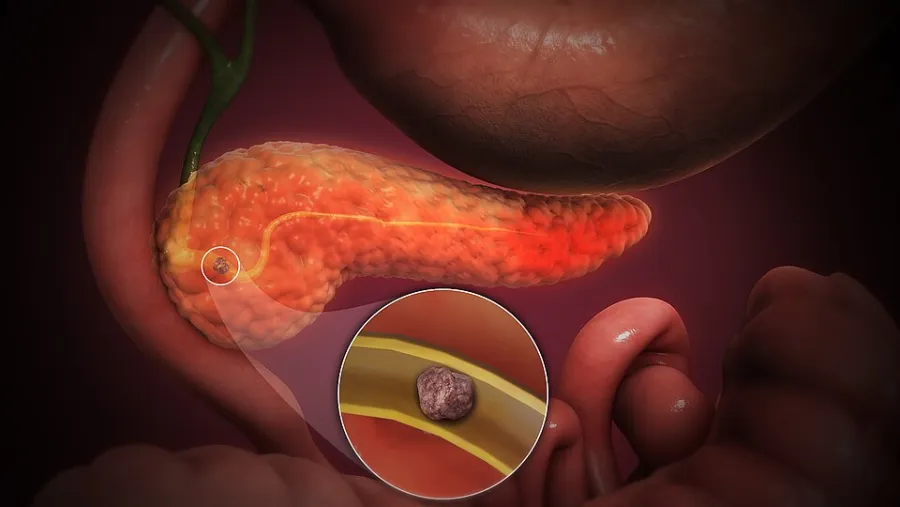
What is acute pancreatitis?
The two leading causes are gallstones and chronic alcohol use. It causes severe epigastric pain that radiates to the back, and can progress to shock, respiratory failure, and multi-organ involvement. Elevated lipase and amylase confirm the diagnosis.
Acute Pancreatitis illustrated
Key points to remember
- Severe, boring epigastric pain radiating to the back is the hallmark, often worse after eating or lying flat and relieved by leaning forward.
- Lipase is more specific and stays elevated longer than amylase; both rise sharply.
- Nausea, vomiting, abdominal distention, and fever are common.
- Cullen sign (periumbilical bruising) and Grey Turner sign (flank bruising) indicate hemorrhagic pancreatitis.
- Hypocalcemia can occur as calcium binds to fatty acids (saponification), causing tetany.
- Hyperglycemia may develop when insulin-producing islet cells are damaged.
Common causes
- Gallstones + alcohol = top 2
- Autodigestion of pancreas
Signs & symptoms
- Severe epigastric pain → back
- N/V, fever, ↓ BS, ↑ HR
- Cullen + Turner sign = severe
Nursing priorities
- Keep the patient NPO to rest the pancreas and reduce enzyme stimulation.
- Administer IV fluids aggressively to prevent hypovolemia and maintain perfusion.
- Provide pain control with prescribed opioids and position the patient sitting up leaning forward (fetal/knee-chest comfort position).
- Monitor for hypocalcemia (Chvostek and Trousseau signs) and respiratory complications.
- Insert NG tube for decompression if vomiting or ileus is present, as ordered.
Labs & values
Patient teaching
- Abstain from alcohol completely, as it is a major trigger and worsens the disease.
- Follow a low-fat diet and eat small frequent meals when resuming oral intake.
- Report recurring severe abdominal pain, fever, or vomiting to the provider.
Red flags: report now
- Signs of shock (hypotension, tachycardia) or respiratory distress may indicate severe/hemorrhagic pancreatitis.
- Cullen or Grey Turner sign signals internal hemorrhage and must be reported immediately.
- Tetany, positive Chvostek/Trousseau, or seizures indicate dangerous hypocalcemia.
References
Clinical references for this topic

