Classic signs are pain, swelling, deformity, loss of function, bruising, and crepitus (grating sound or feeling).
Before you read
Test yourself first: 5 questions
Question 1 of 5
An older adult is admitted with a suspected hip fracture after a fall. Which assessment finding of the affected leg is MOST characteristic of a hip fracture?
Answer: B. A classic sign of a displaced hip (femoral neck or intertrochanteric) fracture is the affected leg being shortened, adducted, and externally rotated, with pain on movement. Lengthening with internal rotation is not the typical presentation.
Question 2 of 5
A client with a long-bone fracture has the following findings. Which finding is an EXPECTED part of the inflammatory phase of bone healing in the first few days?
Answer: A. In the early inflammatory phase, a hematoma forms at the fracture site and there is localized swelling, warmth, and tenderness from the inflammatory response. Complete pain relief, formation of a bony callus, and full return of strength occur later in healing, not in the first few days.
Question 3 of 5
A client with a hip fracture has not yet had surgery. Which expected finding would the nurse most likely observe on assessment of the affected leg?
Answer: A. A classic finding with a displaced hip fracture is that the affected leg appears shortened and externally rotated, with pain and inability to bear weight. Lengthening with internal rotation, a leg of equal length and rotation, and full painless weight bearing are not consistent with a hip fracture.
Question 4 of 5
A client is admitted with a fracture and reports numbness and the inability to move the fingers of the casted hand. The nurse recognizes these as signs of which problem?
Answer: B. New loss of sensation and motor function distal to a cast indicates nerve compression from neurovascular compromise, often associated with swelling or a tight cast, and requires prompt intervention. Normal healing, expected medication effects, and routine immobilization do not cause loss of distal movement and sensation.
Question 5 of 5
The nurse is assessing the neurovascular status distal to a fractured femur with a cast in place. Which finding is the EARLIEST indicator of impaired arterial perfusion?
Answer: B. Pain, particularly pain out of proportion and pain with passive stretch, is the earliest sign of neurovascular compromise. Pulselessness, pallor, paresthesia, and paralysis are late findings; waiting for an absent pulse risks permanent damage.
Keep the streak going with more questions like these, each with a full rationale.
What is fracture?
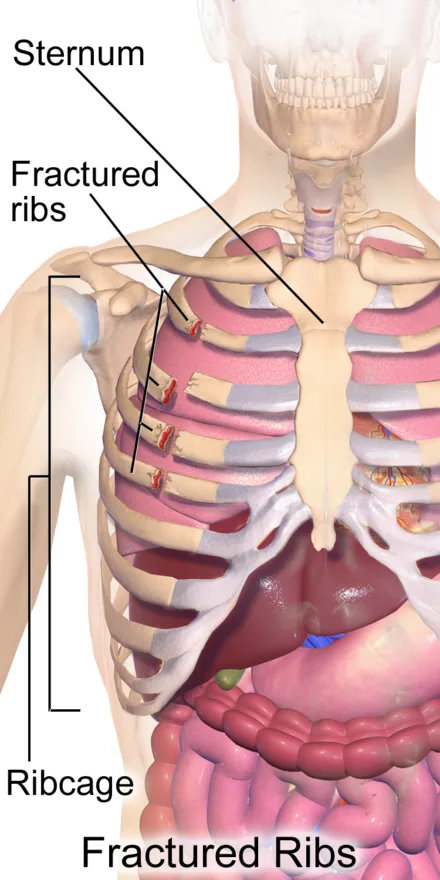
Types include closed (skin intact), open/compound (bone breaks skin, high infection risk), comminuted (shattered), greenstick (incomplete, common in children), and spiral. The biggest dangers are not the bone itself but the complications: bleeding, neurovascular compromise, compartment syndrome, and fat embolism.
Fracture illustrated
Key points to remember
- Classic signs are pain, swelling, deformity, loss of function, bruising, and crepitus (grating sound or feeling).
- Open (compound) fractures break the skin and carry a high risk of osteomyelitis and tetanus.
- Femur and pelvic fractures can cause major internal blood loss leading to hypovolemic shock.
- Long bone fractures (femur, pelvis) raise the risk of fat embolism syndrome within 24 to 72 hours.
- Bone healing stages are hematoma, fibrocartilage, callus formation, ossification, and remodeling.
- Delayed union, nonunion, and avascular necrosis are late complications of poor healing.
Signs & symptoms
- pain, deformity, swelling, crepitus
- loss of function, bruising
Nursing priorities
- Immobilize the affected part and splint above and below the joint before moving; do not realign bone ends.
- Perform neurovascular checks (the 5 P's: pain, pallor, pulselessness, paresthesia, paralysis) distal to the injury.
- Apply ice and elevate the extremity above heart level to reduce swelling.
- Cover open fractures with a sterile moist dressing and prepare for antibiotics and tetanus prophylaxis.
- Manage pain and assess circulation, motion, and sensation before and after casting or splinting.
Labs & values
Patient teaching
- Report increasing pain, numbness, tingling, or a foul odor or drainage from the cast.
- Keep the cast clean and dry; never insert objects to scratch under it.
- Wiggle fingers or toes and elevate the limb to control swelling at home.
Red flags: report now
- Sudden increase in pain unrelieved by opioids, especially with a tight cast, signals compartment syndrome.
- Loss of distal pulse, pallor, coolness, or numbness indicates arterial compromise and needs immediate report.
- Dyspnea, confusion, and petechiae over the chest after a long bone fracture suggest fat embolism.
- Never elevate the limb or apply ice once compartment syndrome is suspected, as both reduce perfusion.
References
Clinical references for this topic