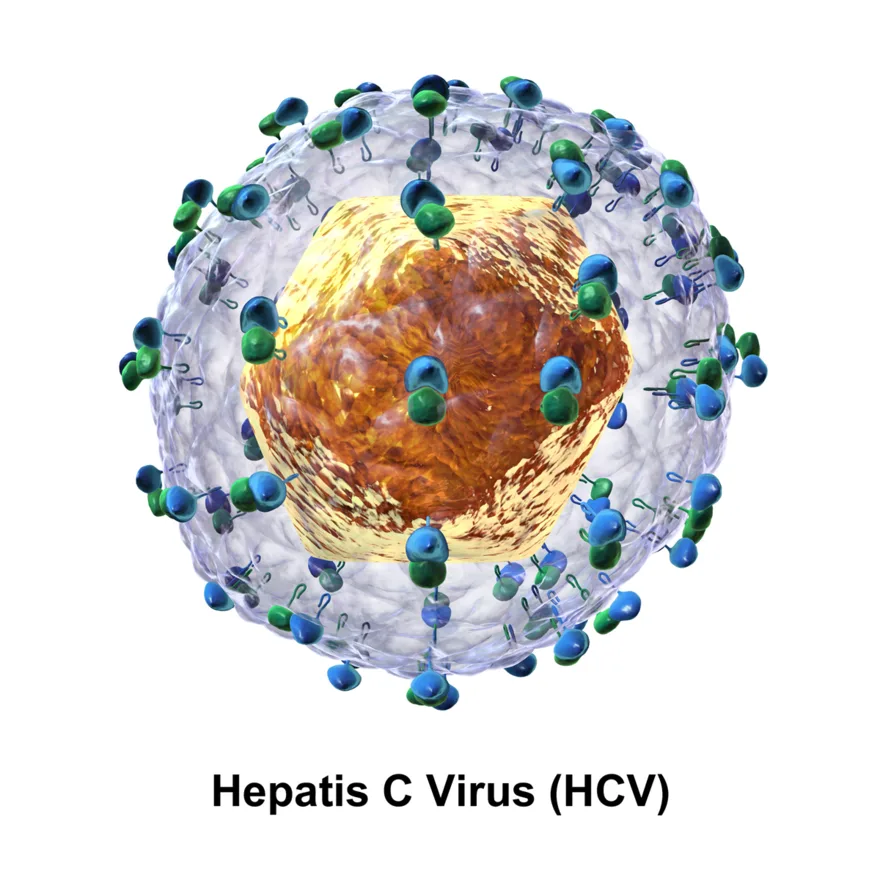
Hepatitis A and E are transmitted fecal-orally; B, C, and D are bloodborne and through body fluids.
Before you read
Test yourself first: 2 questions
Question 1 of 2
An infant born to a mother with active hepatitis B should receive which interventions shortly after birth?
Answer: A. An infant born to a hepatitis B surface antigen-positive mother should receive both the hepatitis B vaccine and hepatitis B immune globulin (HBIG) within 12 hours of birth to prevent perinatal transmission.
Question 2 of 2
A client in the icteric phase of acute hepatitis reports fatigue and clay-colored stools with dark urine. The nurse explains that these findings result from:
Answer: B. In hepatitis, hepatocellular injury and intrahepatic obstruction impair bile flow. Bilirubin is not excreted into the gut, so stools lose their normal brown pigment and become clay-colored, while excess conjugated bilirubin is excreted by the kidneys, darkening the urine. Jaundice develops as bilirubin accumulates in the skin and sclera.
Keep the streak going with more questions like these, each with a full rationale.
What is hepatitis?
Hepatitis A and E spread by the fecal-oral route (contaminated food/water), while B, C, and D spread through blood and body fluids. Inflammation impairs liver function, causing jaundice, fatigue, and elevated liver enzymes. Hepatitis B and C can become chronic and lead to cirrhosis or liver cancer.
Hepatitis illustrated
Key points to remember
- Hepatitis A and E are transmitted fecal-orally; B, C, and D are bloodborne and through body fluids.
- The icteric phase brings jaundice, dark urine, clay-colored stools, and pruritus.
- The prodromal (preicteric) phase causes fatigue, anorexia, nausea, low-grade fever, and right upper quadrant discomfort.
- Liver enzymes ALT and AST are markedly elevated, reflecting hepatocyte injury.
- Hepatitis B and C can become chronic and progress to cirrhosis and hepatocellular carcinoma.
- Vaccines exist for hepatitis A and B; there is no vaccine for hepatitis C.
Signs & symptoms
- jaundice, dark urine, clay stool
- RUQ pain, fatigue, anorexia, N/V
- ↑ALT ↑AST ↑bilirubin
Nursing priorities
- Promote rest to reduce metabolic demand on the liver and conserve energy.
- Provide a high-calorie, balanced diet with adequate nutrition, given in small frequent meals.
- Implement appropriate transmission precautions based on hepatitis type (standard plus contact for fecal-oral).
- Avoid hepatotoxic substances including alcohol and acetaminophen.
- Educate on transmission prevention, including hand hygiene and not sharing needles or personal items.
Labs & values
Patient teaching
- Avoid alcohol and hepatotoxic medications such as excess acetaminophen during recovery.
- Practice strict hand hygiene; do not share needles, razors, or toothbrushes to prevent spread.
- Get hepatitis A and B vaccines as recommended and complete the full series.
Red flags: report now
- Worsening confusion or asterixis may indicate progression to hepatic encephalopathy and liver failure.
- Bleeding, bruising, or prolonged clotting times signal impaired liver synthetic function.
- Severe or rapidly worsening jaundice with mental status changes requires urgent evaluation.
References
Clinical references for this topic